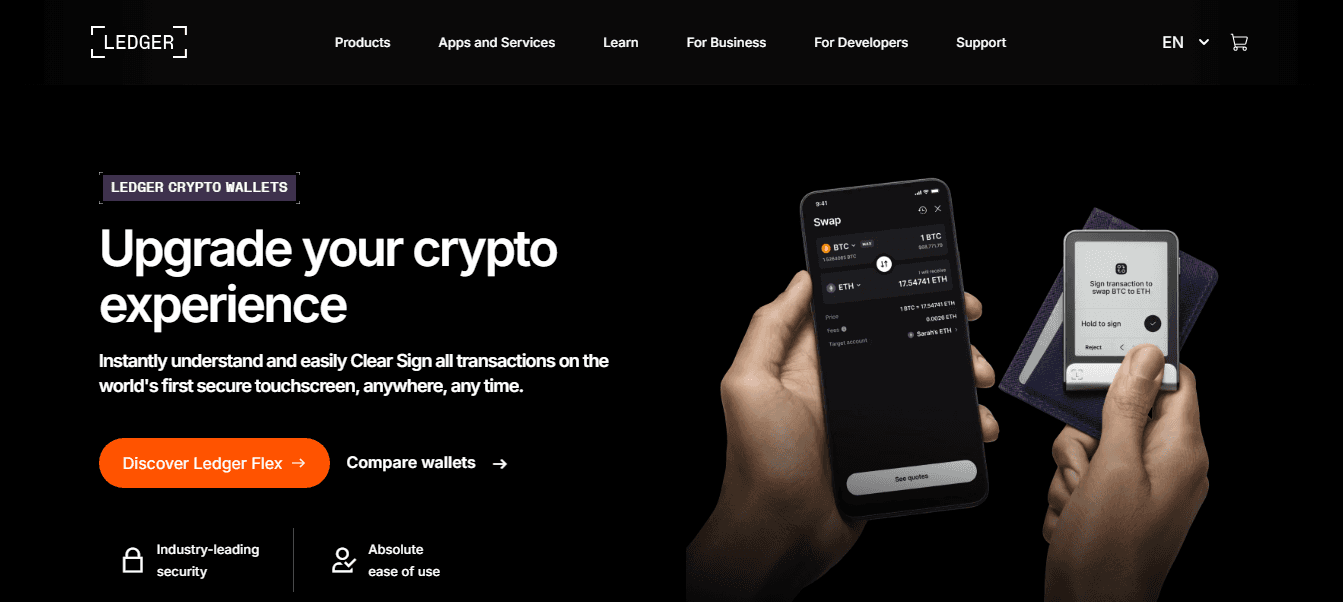
Ledger Live Login: Secure Access to Your Cryptocurrency Portfolio
In the ever-expanding universe of cryptocurrency, managing digital assets safely is paramount. From storing Bitcoin and Ethereum to participating in decentralized finance (DeFi) and staking, cryptocurrency management requires both security and usability. Ledger, a global leader in hardware wallets, offers a solution that combines both through its software companion, Ledger Live. Central to accessing Ledger Live is the login process, which ensures secure and controlled access to your digital assets. This article explores Ledger Live login in detail, its features, importance, security mechanisms, common issues, and best practices, providing a comprehensive understanding for beginners and advanced users alike.
Understanding Ledger Live
Ledger Live is a cryptocurrency management application designed to interact seamlessly with Ledger hardware wallets, such as Ledger Nano S, Ledger Nano X, and Ledger Nano S Plus. It allows users to monitor portfolios, send and receive cryptocurrencies, participate in staking, and even perform crypto swaps without exposing private keys to the internet.
Unlike typical online wallets or exchange platforms, Ledger Live provides an interface to securely access blockchain assets while keeping sensitive data offline. The login process is the first step to accessing this secure environment.
What is Ledger Live Login?
Ledger Live login is the process by which a user gains access to the Ledger Live application. Unlike traditional online accounts that rely on usernames and passwords, Ledger Live login emphasizes hardware-based security. Access is granted through the connection of a Ledger hardware wallet and the verification of PIN codes and recovery phrases. The login process ensures that only the rightful owner of the hardware wallet can authorize transactions or view sensitive information.
Ledger Live login serves two main purposes: authentication and security verification. Authentication confirms the identity of the user, while security verification ensures that sensitive data, including private keys, remains protected from unauthorized access or cyber threats.
How Ledger Live Login Works
The Ledger Live login process is unique compared to conventional software logins. Here’s a detailed step-by-step overview:
Download and Install Ledger Live:
Before logging in, users must download the Ledger Live application from the official Ledger website. It is critical to download from the official source to avoid phishing attacks or malware.Connect Your Ledger Hardware Wallet:
Ledger Live requires a hardware wallet to log in. Users connect their device via USB (for desktop) or Bluetooth (for Ledger Nano X mobile access).Enter the PIN Code:
Once the hardware wallet is connected, users enter the PIN code set during the initial device setup. The PIN protects the device from unauthorized physical access.Unlock Ledger Live:
After the PIN is entered correctly, Ledger Live recognizes the device and allows access to the portfolio interface. At this stage, users can view account balances, transaction history, and other features.Account Synchronization:
Ledger Live synchronizes with the blockchain networks to display updated balances and transaction data. Private keys never leave the device during this process, maintaining maximum security.Perform Transactions:
Users can initiate sending or receiving cryptocurrencies. Every transaction requires confirmation on the hardware wallet itself, ensuring that even if a computer is compromised, the assets remain secure.
Security Measures in Ledger Live Login
Ledger Live login emphasizes security over convenience, as cryptocurrency theft is irreversible. The following security measures are implemented:
Hardware-Based Authentication:
Access requires a Ledger hardware wallet, which stores private keys offline. This prevents unauthorized access via malware or phishing attacks.PIN Protection:
The PIN code ensures that even if someone physically obtains the device, access is restricted without the correct code. The PIN can be 4 to 8 digits long, and the device locks after multiple incorrect attempts.Recovery Phrase Backup:
During the initial device setup, users generate a recovery phrase, a 24-word sequence that can restore wallet access if the device is lost or damaged. This backup is crucial for account recovery but should never be shared digitally.Two-Factor-Like Security:
Ledger Live login functions similarly to two-factor authentication. The software verifies access through the hardware wallet, while the device itself requires a PIN, creating two layers of protection.Secure Communication Protocol:
Ledger Live communicates with the hardware wallet using a secure, encrypted channel. All transactions initiated in the app are verified on the device itself, preventing remote tampering.Biometric Options (Mobile):
For mobile Ledger Live users, biometric authentication (fingerprint or face recognition) can complement device PINs for convenience while maintaining security.
Why Ledger Live Login is Crucial
The login process is not merely a gateway; it represents a critical line of defense against cyber threats. Here’s why it matters:
Protects Private Keys:
Private keys are never exposed online, thanks to the hardware wallet login mechanism. Without the hardware device and PIN, unauthorized users cannot access crypto assets.Prevents Unauthorized Transactions:
Every transaction requires physical confirmation on the hardware wallet. Even if malware controls the computer, it cannot authorize transfers.Secures Portfolio Data:
Ledger Live login ensures that account balances, transaction history, and staking information are only visible to authorized users.Reduces Risk of Phishing:
Since login does not require online credentials like usernames or passwords, phishing attempts are less effective.
Common Ledger Live Login Issues and Troubleshooting
While Ledger Live login is secure, users may encounter occasional issues. Understanding these problems can help resolve them quickly:
Device Not Recognized:
Sometimes Ledger Live may not detect the connected hardware wallet. This can be due to outdated software, USB connection issues, or driver problems. Ensure Ledger Live is updated and reconnect the device.Incorrect PIN Entry:
Repeated incorrect PIN entries can lock the device temporarily. Users must carefully enter the PIN, and in case of multiple failed attempts, the device may require recovery using the 24-word recovery phrase.Firmware Updates:
If the Ledger device firmware is outdated, Ledger Live may not allow login. Updating the firmware through the application ensures compatibility.App Crashes or Freezes:
Occasionally, Ledger Live may freeze during login. Restarting the application or the device, or reinstalling Ledger Live from the official website, usually resolves the problem.Mobile Login Issues:
Bluetooth connectivity or app permissions can interfere with mobile login. Ensure the Ledger Live mobile app is updated and Bluetooth is enabled on both the device and phone.
Best Practices for Ledger Live Login
To ensure the highest level of security and smooth access, users should follow these best practices:
Always Use Official Ledger Software:
Download Ledger Live only from the official Ledger website. Avoid third-party sites or links from emails to prevent phishing attacks.Secure Your PIN and Recovery Phrase:
Never store your PIN or recovery phrase digitally. Keep the recovery phrase offline in a secure location, preferably in a fireproof safe.Update Regularly:
Keep Ledger Live and your hardware wallet firmware up-to-date. Ledger regularly releases updates to fix vulnerabilities and add new features.Verify Transaction Details:
Always check the recipient address and amount on the device screen before confirming a transaction. Ledger Live ensures what you see on the app matches what appears on the hardware wallet.Use Secure Devices:
Ensure your computer or mobile device is free from malware and other security threats. Avoid public or shared devices when logging into Ledger Live.Enable Mobile Biometrics:
If using the Ledger Live mobile app, enable fingerprint or face recognition for added security while maintaining convenience.
Advanced Ledger Live Login Features
Beyond basic access, Ledger Live login facilitates advanced functionalities:
Multi-Account Management:
Users can manage multiple cryptocurrency accounts from one hardware wallet. Ledger Live login allows switching between accounts seamlessly.Multi-Device Access:
The same Ledger hardware wallet can be connected to Ledger Live on multiple devices. This allows portfolio management from both desktop and mobile while maintaining security.Delegation and Staking:
Login enables users to access staking options, delegate coins, and monitor rewards. The hardware wallet ensures that staking actions are authorized securely.Transaction Signing:
Ledger Live login ensures that only the hardware wallet can sign transactions. This is a critical security feature that protects assets even if the computer is compromised.
Ledger Live Login and Cryptocurrency Ecosystem
Ledger Live login serves as a gateway to the wider cryptocurrency ecosystem. Through secure access, users can interact with multiple blockchains, perform swaps, and access decentralized finance (DeFi) applications without exposing sensitive information. Ledger Live bridges the gap between user-friendly software and highly secure hardware-based storage, enabling both novice and experienced investors to engage confidently in the crypto space.
Conclusion
Ledger Live login is a vital component of secure cryptocurrency management. By leveraging hardware wallet authentication, PIN verification, and recovery phrase protection, Ledger Live ensures that only authorized users can access sensitive crypto assets. The login process is not merely about access; it represents a robust security layer that protects private keys, prevents unauthorized transactions, and ensures portfolio integrity. With proper understanding, best practices, and attention to security, Ledger Live login empowers users to manage their cryptocurrency portfolio safely, efficiently, and confidently.
Ledger Live login combines security, convenience, and versatility, making it an essential tool for anyone seeking to maintain control over their digital assets. Whether for tracking investments, performing transactions, or participating in staking programs, the login process is the first and most critical step in a secure cryptocurrency journey.
As cryptocurrencies continue to evolve, tools like Ledger Live and secure login mechanisms play an increasingly important role in protecting digital wealth. Users who follow security best practices, keep their devices updated, and remain vigilant against threats can confidently navigate the cryptocurrency ecosystem using Ledger Live as a trusted gateway.